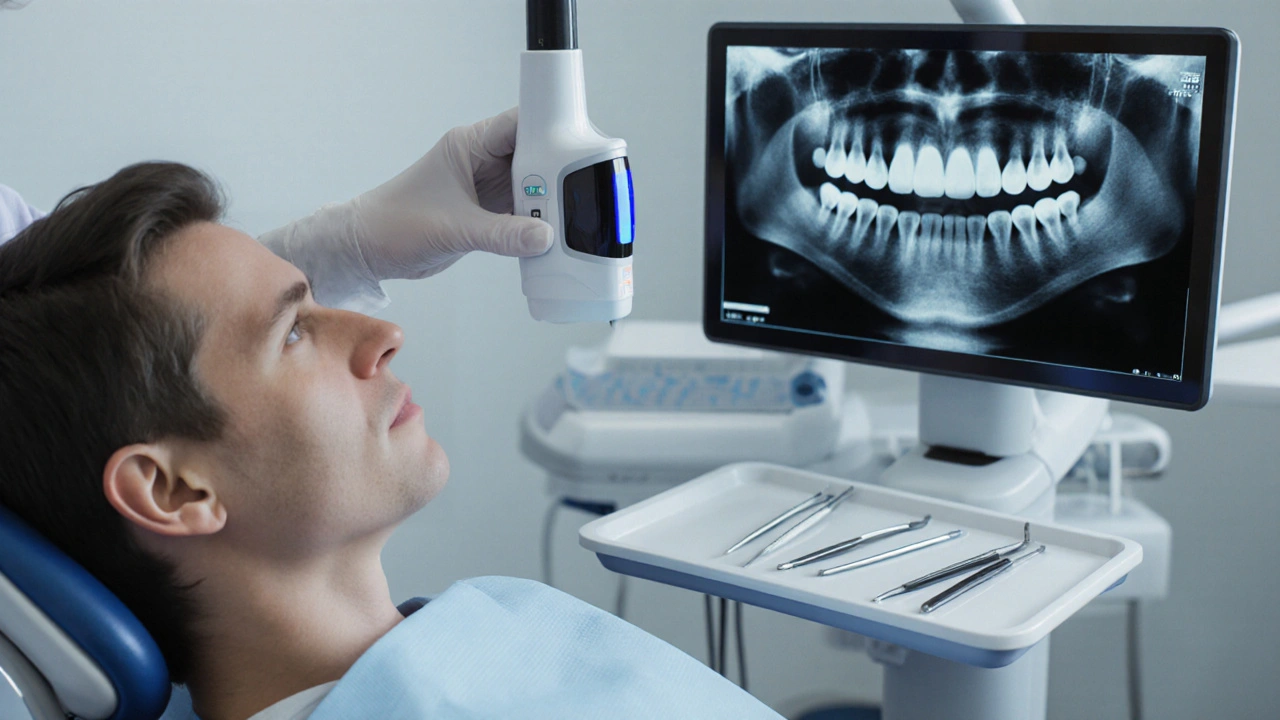
Dentální protéza: Co je to, když ji potřebujete a co vám pomůže
When you lose one or more teeth, your mouth doesn’t just change in appearance—it changes how you eat, speak, and even feel about yourself. A dentální protéza, náhrada chybějících zubů, která obnovuje funkci a estetiku úst. Also known as zubní protéza, it is not just a cosmetic fix—it’s a functional restoration that lets you chew properly, speak clearly, and stop worrying about gaps in your smile. Whether you’ve lost a single tooth or most of them, there’s a type of dentální protéza made for your situation.
There are two main types: částečná protéza, náhrada několika chybějících zubů, která se upevňuje k sousedním zubům and celková protéza, náhrada všech zubů v jedné čelisti, obvykle z akrylové hmoty. Částečná protéza is often held in place with metal clasps or precision attachments, while celková protéza rests on your gums and needs adhesive to stay put. Many people think prostheses are old-fashioned, but modern ones are lightweight, natural-looking, and far more comfortable than decades ago. Still, they require adjustment—you won’t get it right on the first try, and that’s normal.
People who choose dentální protéza often do so after losing teeth due to advanced gum disease, untreated cavities, or trauma. If you’ve been avoiding the dentist because you think extraction means you’re stuck with gaps forever, think again. A well-made protéza can restore your confidence in a few visits. It’s not as permanent as an implant, but it’s much more affordable and doesn’t require surgery. And if you’re not ready for implants yet, a protéza gives you time to plan your next step.
One thing most don’t tell you: dentální protéza needs daily care. You can’t just leave it in overnight. It must be cleaned, soaked, and handled gently. Neglecting it leads to bad breath, gum irritation, and even faster bone loss. But when you treat it right, it can last five to ten years. And if you’ve had trouble with ill-fitting prostheses before, modern materials and digital scanning make a huge difference—no more messy impressions or uncomfortable fits.
What you’ll find in the articles below are real, practical answers: how to adjust to your new protéza, what to do when it hurts, how to clean it without breaking it, why some people swear by adhesive and others avoid it, and how to tell if your protéza needs replacing. You’ll also learn how to avoid common mistakes—like using toothpaste with abrasives or soaking it in hot water. These aren’t theory-based tips. They’re what people actually do after getting their first protéza—and what works.
11
Nov
Jak se lečí hluboký kámen? Praktický průvodce pro pacienty s keramickými fazetami
Lenka Válková
Zjistěte, jak se léčí hluboký kámen pod keramickými fazetami, co se stane, když ho ignorujete, a jak ho předcházet. Praktický průvodce pro pacienty s zubními fazetami.
More