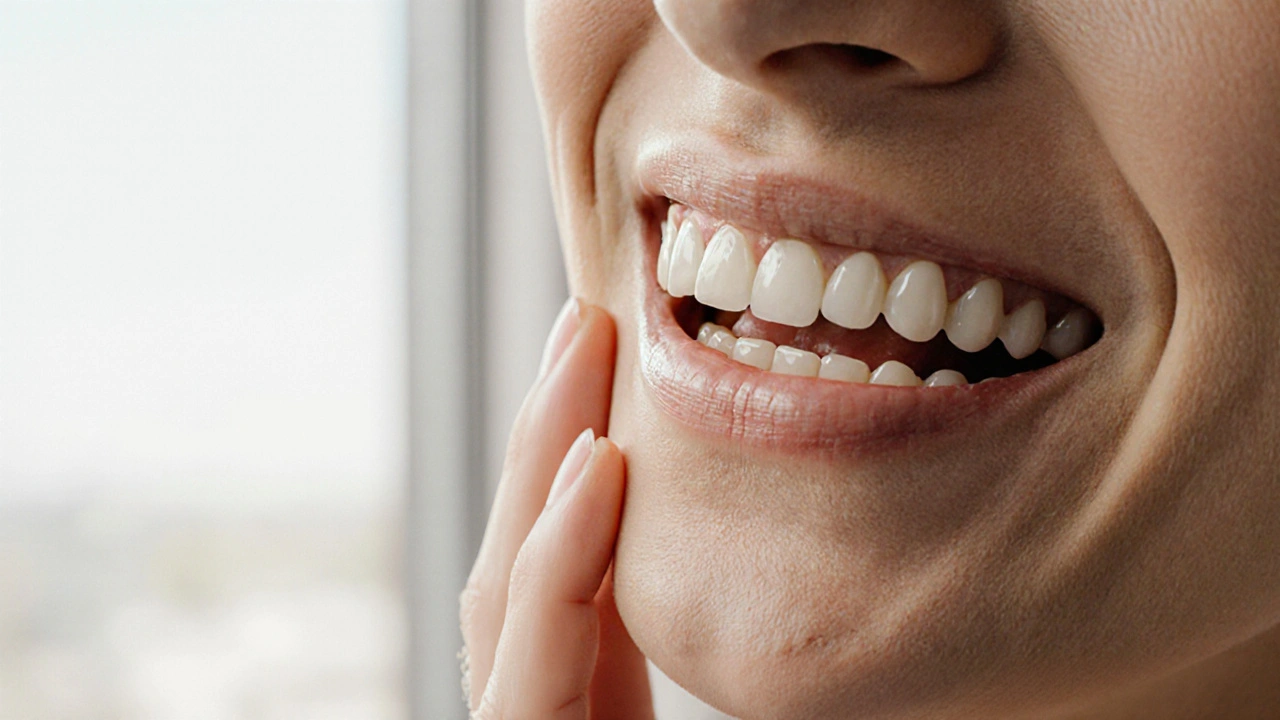
Nasazení můstku: Co potřebujete vědět před léčbou ztraceného zubu
When you lose a tooth, the zubní můstek, trvalá zubní protéza, která nahrazuje chybějící zub a opírá se o sousední zuby. Also known as zubní protéza, it is a common solution for restoring function and appearance after tooth loss. But it’s not the only option—and not always the best one. Many people think a bridge is the default fix, but it requires grinding down healthy teeth on both sides of the gap. That’s a permanent change you can’t undo. If those supporting teeth are strong and healthy, a bridge can work well. But if they’re already weakened or filled, you might be setting yourself up for more problems later.
That’s why many dentists now recommend zubní implantát, kořenová náhrada, která se operativně zasazuje do čelisti a slouží jako samostatná podpora pro korunku instead. An implant doesn’t touch your neighbors. It stands on its own, like a natural root. It also helps prevent bone loss in the jaw, which happens when a tooth is missing. A bridge doesn’t do that. Over time, the bone under the gap shrinks, which can change your face shape. Implants stop that. But implants aren’t for everyone. You need enough bone, good overall health, and the patience for a longer process. A bridge, on the other hand, can be done in just two visits. It’s faster, often cheaper upfront, and doesn’t require surgery.
So how do you choose? It’s not about what’s trendy. It’s about your mouth, your budget, and your long-term goals. If you’re young and healthy, an implant might be the smarter investment. If you’re older, have health issues, or just want a quick fix, a bridge could make sense. But don’t let your dentist push one option without explaining the other. Ask: "What happens if I wait?" "What if the supporting teeth fail in five years?" "Is there a way to avoid cutting into healthy enamel?" The answers will guide you better than any brochure.
You’ll also find posts here that explain how to care for a bridge after it’s placed—what to eat, how to floss under it, and why ignoring plaque around it leads to decay in the very teeth holding it up. We cover what happens when a bridge fails, how to spot early signs of trouble, and why some people regret choosing it over an implant. There’s also advice on what to do if you can’t afford an implant right away, and how to keep your mouth healthy while you wait.
This collection isn’t about selling you a solution. It’s about helping you understand your options so you don’t end up with a bridge that causes more problems than it solves. Whether you’re just starting to think about replacing a missing tooth or you’ve already been told a bridge is your only choice, you’ll find real talk here—not marketing, not jargon, just what matters for your teeth and your peace of mind.
27
Nov
Jak dlouho bolí zub po nasazení můstku? Co očekávat a kdy se obrátit na lékaře
Lenka Válková
Jak dlouho bolí zub po nasazení můstku? Bolest obvykle trvá 3-7 dní, ale pokud přetrvává déle nebo se zhoršuje, může to být známkou zánětu nebo špatného přizpůsobení. Zjistěte, co je normální a kdy je potřeba jít k zubaři.
More